
 By Admin@impulserepairs.com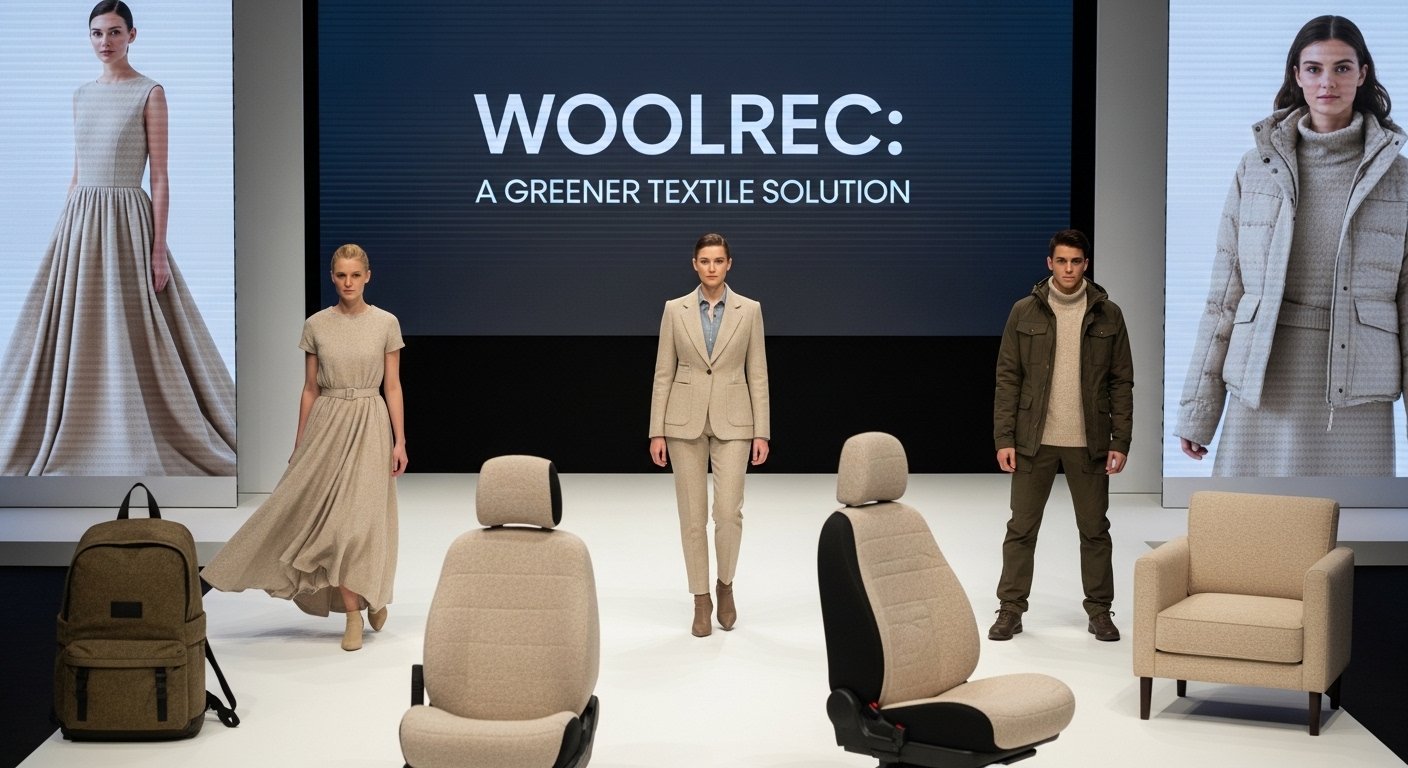
The fashion industry is often criticized for its environmental footprint. From excessive water usage to toxic dyes, traditional textile production can take a toll on our planet. However, there’s a game-changer making waves in this space—Woolrec. This innovative textile solution not only offers a sustainable alternative but also brings fresh opportunities for designers and consumers alike. With an emphasis on eco-friendliness and versatility, Woolrec is poised to redefine the way we think about fabrics and their impact on both fashion and the environment. Let’s dive into how Woolrec is transforming textiles one thread at a time!
The environmental impact of traditional textile production
Traditional textile production significantly strains our planet. The process involves extensive water usage, often depleting vital resources in already arid regions. Water pollution is another grave concern, with toxic dyes and chemicals contaminating rivers and ecosystems.
Moreover, the carbon footprint of fabric manufacturing contributes to climate change. From the energy-intensive processes involved in spinning fibers to transportation logistics, each step adds up.
Land use is also a critical issue. Vast areas are cleared for cotton farming or synthetic fiber production, displacing wildlife and disrupting natural habitats.
The quest for fast fashion exacerbates these problems further. High demand leads to rapid turnover of trends that prioritize quantity over sustainability.
As awareness rises about these environmental challenges, many consumers seek greener alternatives that minimize ecological impact while still delivering quality textiles. Woolrec stands out as one such solution on this journey towards sustainable fashion practices.
How Woolrec is making a difference in the fashion industry
Woolrec is revolutionizing the fashion industry by offering an eco-friendly alternative to conventional textiles. This innovative material, derived from recycled wool, significantly reduces waste and lessens our carbon footprint.
Fashion brands are increasingly embracing Woolrec for its sustainability credentials. It provides designers with a versatile option that meets both aesthetic and ethical standards. The unique properties of Woolrec allow it to be used in various clothing items, from stylish outerwear to comfortable knitwear.
In addition to being environmentally friendly, Woolrec boasts durability and comfort. Consumers today prioritize sustainable choices without sacrificing quality or style. By using Woolrec, brands can cater to this growing demand while promoting responsible consumption.
Moreover, the adoption of Woolrec aligns perfectly with circular fashion initiatives aimed at minimizing resource depletion. As more companies integrate this sustainable fabric into their collections, they contribute positively toward a greener future in fashion.
Advantages of using Woolrec in fashion and other industries
Woolrec stands out as a remarkable alternative in the textile industry. Its unique properties make it suitable for various applications.
In fashion, Woolrec provides warmth without bulk. This lightweight material drapes beautifully, allowing designers to create stunning silhouettes with ease.
It also boasts excellent moisture-wicking capabilities. Garments made from Woolrec keep wearers comfortable, even in changing weather conditions.
Beyond clothing, Woolrec finds its place in home decor and upholstery. Its natural fibers add texture while being durable and easy to maintain.
Sustainability is another key advantage. By using recycled wool fibers, we reduce waste and minimize our ecological footprint.
This innovative textile can contribute positively across different sectors while promoting eco-conscious practices. The versatility of Woolrec opens doors for creativity and responsible production methods alike.
Challenges and limitations of implementing Woolrec
Implementing Woolrec presents several challenges that need addressing. The first hurdle is awareness. Many designers and manufacturers are still unfamiliar with the material’s potential.
Another obstacle involves sourcing high-quality raw materials. Not all wool meets the standards necessary for producing effective Woolrec fabrics. This can create inconsistencies in product quality.
Additionally, production processes must adapt to accommodate Woolrec’s unique properties. Existing machinery and techniques might require upgrades or modifications, which can be costly.
There’s also the matter of consumer perception. Shifting mindsets towards sustainable alternatives takes time and effort, as many shoppers remain attached to conventional textiles.
Regulatory hurdles could impede broader adoption of Woolrec in various markets. Navigating these complexities requires collaboration among stakeholders committed to a greener future in fashion and beyond.
Other innovative uses for Woolrec
Woolrec is not just transforming fashion; it’s making waves in various industries. Its natural properties make it an excellent choice for insulation materials in construction. By utilizing Woolrec, builders can enjoy energy-efficient solutions that also provide soundproofing.
Beyond architecture, the automotive sector is beginning to embrace this innovative textile. Car manufacturers are incorporating Woolrec into interior designs for upholstery and insulation, enhancing comfort while reducing environmental impact.
Agriculture stands to benefit as well. Farmers are discovering wool-based products that improve soil health by promoting moisture retention and supporting biodiversity.
Even in home goods, Woolrec offers a range of possibilities from eco-friendly carpets to bedding options that regulate temperature naturally. This versatility highlights its potential beyond traditional uses, proving that sustainability can meet diverse needs across multiple sectors.
Conclusion:
The future of fashion and textile production is leaning more towards sustainability. Woolrec presents an innovative solution that not only addresses the environmental concerns associated with traditional textile manufacturing but also offers a versatile alternative for various industries.
By using recycled wool, brands can significantly cut down on waste and reduce their carbon footprint. This eco-friendly approach aligns seamlessly with the growing consumer demand for sustainable products. As awareness about environmental issues rises, consumers are increasingly gravitating toward brands that prioritize ethical practices.
Woolrec’s benefits extend beyond fashion; its applications in home textiles, insulation materials, and even automotive fabrics showcase its versatility. While challenges exist regarding scaling up production and overcoming preconceived notions about recycled materials, the potential impact on our planet is undeniable.
As we embrace this greener path forward, adopting Woolrec could be a pivotal step in transforming how we view textiles—shifting from fast fashion to mindful consumption. By incorporating such sustainable solutions into daily life and industry practices, we can contribute to a healthier planet for generations to come. The choices made today reflect our commitment to preserving tomorrow’s resources while enjoying stylish innovations like those offered by Woolrec.