
 By Admin@impulserepairs.com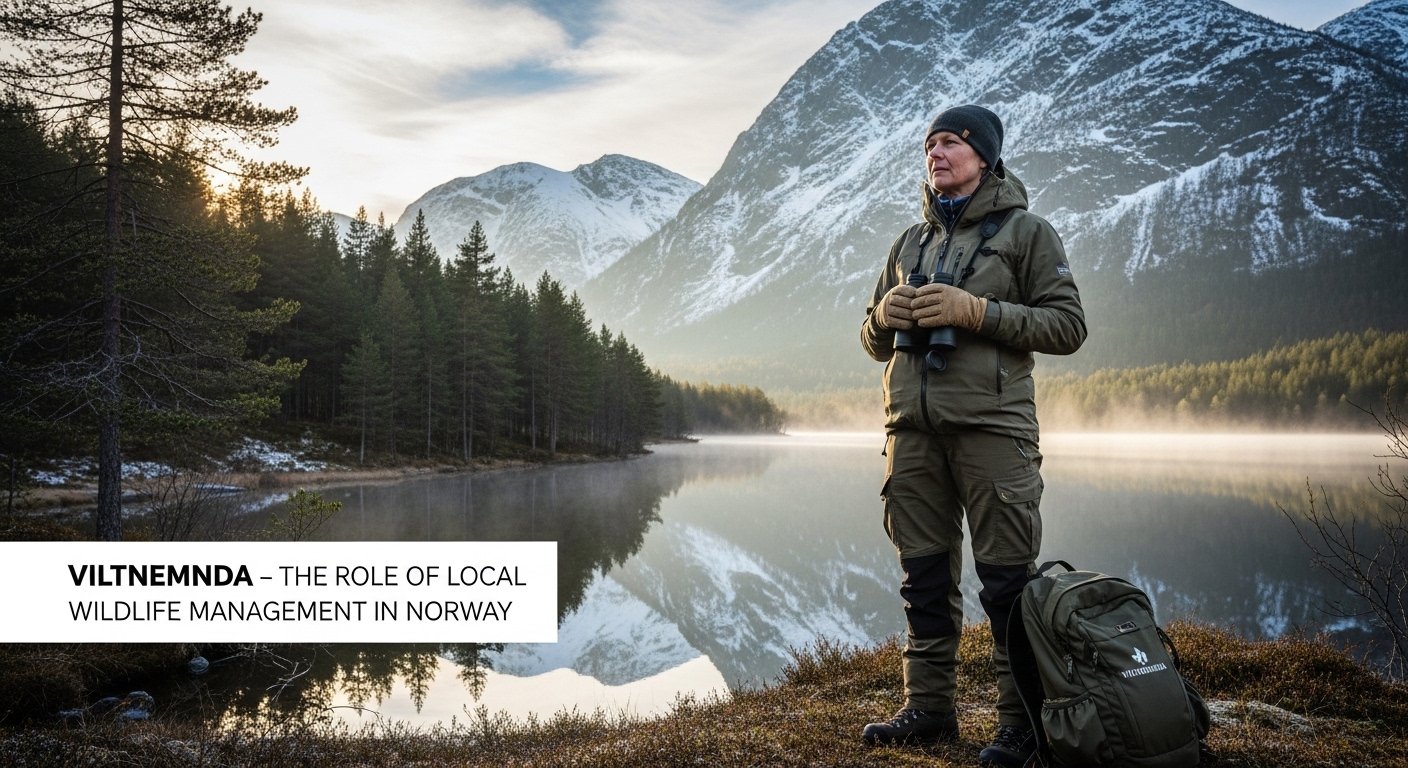
Norway’s majestic landscapes are home to a diverse array of wildlife, from reindeer roaming the tundra to elk wandering through dense forests. But have you ever wondered how these populations are managed? Enter Viltnemnda, the local wildlife management bodies that play a crucial role in ensuring both ecological balance and community harmony. These groups work tirelessly behind the scenes, making decisions that impact everything from hunting regulations to conservation efforts. Let’s dive into the fascinating world of Viltnemnda and uncover their essential contributions to Norway’s natural heritage.
History and Purpose of Viltnemnda
Viltnemnda has its roots in Norway’s deep connection to nature and wildlife. Established to address the growing concerns about managing animal populations, it reflects a commitment to sustainable practices.
The purpose of Viltnemnda is multifaceted. It aims not only to protect wildlife but also to ensure that local ecosystems remain balanced. By overseeing hunting regulations and conservation efforts, it plays a crucial role in preserving biodiversity.
Historically, the organization emerged from the need for localized management strategies tailored to specific regions. This allows communities to engage actively in conservation while respecting traditional lifestyles intertwined with nature.
As human activities increasingly impact wildlife habitats, Viltnemnda serves as a vital link between local authorities and residents. Its mission emphasizes collaboration and education, fostering an awareness of ecological responsibilities among citizens.
Responsibilities of Viltnemnda
Viltnemnda carries a vital responsibility in managing wildlife populations effectively. Their primary task is to ensure the sustainable use of Norway’s rich natural resources.
This body assesses animal populations and evaluates their health, ensuring that species thrive in their habitats. Regular monitoring helps address imbalances that might arise due to environmental changes or human activities.
Another key duty involves implementing hunting regulations. Viltnemnda establishes seasons and quotas, aiming to support both conservation efforts and local hunters’ needs. These measures help maintain population stability without compromising biodiversity.
Community involvement is also essential. Viltnemnda hosts educational programs, fostering awareness about wildlife management among locals. Engaging the public creates a sense of shared responsibility for protecting Norway’s unique ecosystems.
They collaborate with other organizations and authorities on research projects. This partnership enhances knowledge while addressing challenges faced by various species across the region.
How Viltnemnda Manages Wildlife Populations
Viltnemnda plays a crucial role in managing Norway’s diverse wildlife populations. Their approach is rooted in science and local knowledge. Each member brings unique insights to the table, ensuring that decisions are well-informed.
Data collection is fundamental to their strategy. By monitoring animal numbers and health, Viltnemnda can identify trends over time. This information helps them make proactive management choices.
They also coordinate with hunters and landowners. Engaging these stakeholders fosters a sense of shared responsibility for wildlife conservation. Together, they develop sustainable hunting quotas that prevent overpopulation while respecting traditional practices.
Education is another key aspect of their work. They host workshops and seminars focusing on best practices for wildlife management. These initiatives empower the community to contribute positively to local ecosystems.
By balancing ecological needs with human interests, Viltnemnda ensures that both wildlife and communities thrive together in harmony.
Challenges Faced by Viltnemnda
Viltnemnda operates in a complex environment filled with challenges. One major hurdle is balancing the interests of wildlife conservation and human activity. As urban areas expand, conflicts between animals and people become more frequent.
Climate change also poses significant threats to local ecosystems. Shifts in weather patterns can alter animal migrations and breeding seasons, making it difficult for Viltnemnda to manage species effectively.
Funding limitations further complicate their efforts. With budget constraints, prioritizing initiatives becomes essential yet challenging.
Moreover, public opinion plays a crucial role. Misunderstandings about wildlife management practices can lead to resistance among communities that may not see the bigger picture.
Illegal hunting remains a persistent issue. Enforcement of regulations requires constant vigilance and resources that are often stretched thin. Each of these obstacles demands innovative solutions from Viltnemnda as they strive for effective wildlife management across Norway.
Success Stories of Viltnemnda
Viltnemnda has made remarkable strides in wildlife conservation across Norway. One notable success is the stabilization of the moose population, which faced significant overpopulation in certain regions. Through strategic hunting quotas and community engagement, they successfully balanced ecological needs with local interests.
Another inspiring achievement involves the recovery of endangered species like the white-tailed eagle. By protecting nesting sites and raising awareness about their importance, Viltnemnda has helped these majestic birds flourish once again.
Furthermore, educational programs initiated by Viltnemnda have fostered a deeper appreciation for local biodiversity among residents. Workshops and school initiatives encourage communities to participate actively in wildlife management efforts.
These successes demonstrate how targeted actions can lead to positive outcomes for both wildlife and human populations. The collaborative spirit that Viltnemnda promotes continues to inspire new generations to care for Norway’s rich natural heritage.
The Future of Local Wildlife Management in Norway
The future of wildlife management in Norway is poised for transformation. With growing awareness around biodiversity, local communities are becoming increasingly involved in conservation efforts.
Technological advancements play a crucial role. Drones and GPS tracking allow for better monitoring of animal populations and habitats. This data can help Viltnemnda make informed decisions about sustainable hunting practices and habitat preservation.
Education is also key to fostering a culture of respect towards nature. Initiatives aimed at schools will inspire the next generation to value local ecosystems.
Collaboration among stakeholders—government agencies, NGOs, and citizens—ensures diverse perspectives shape policies effectively. By working together, they can tackle challenges like climate change that threaten wildlife diversity.
Public engagement through workshops and outreach programs enhances community involvement. A united front empowers locals to take action in protecting their surroundings while balancing human needs with ecological health.
Conclusion
Local wildlife management in Norway plays a crucial role in balancing ecological health with human interests. Viltnemnda’s commitment to responsible practices ensures sustainable populations of native species while addressing the needs of local communities. By continuously adapting to challenges and learning from success stories, Viltnemnda sets an example for effective wildlife stewardship.
As pressures on wildlife continue to evolve, so too must the strategies employed by Viltnemnda. Engaging communities, promoting education, and fostering collaboration among stakeholders will be essential as they navigate future challenges. The ongoing efforts of Viltnemnda not only protect Norway’s rich biodiversity but also enrich the lives of those who coexist with nature.
The journey ahead is one filled with potential for innovation and growth within local wildlife management systems, ensuring that both people and animals thrive side by side in this beautiful Nordic landscape.