
 By Admin@impulserepairs.com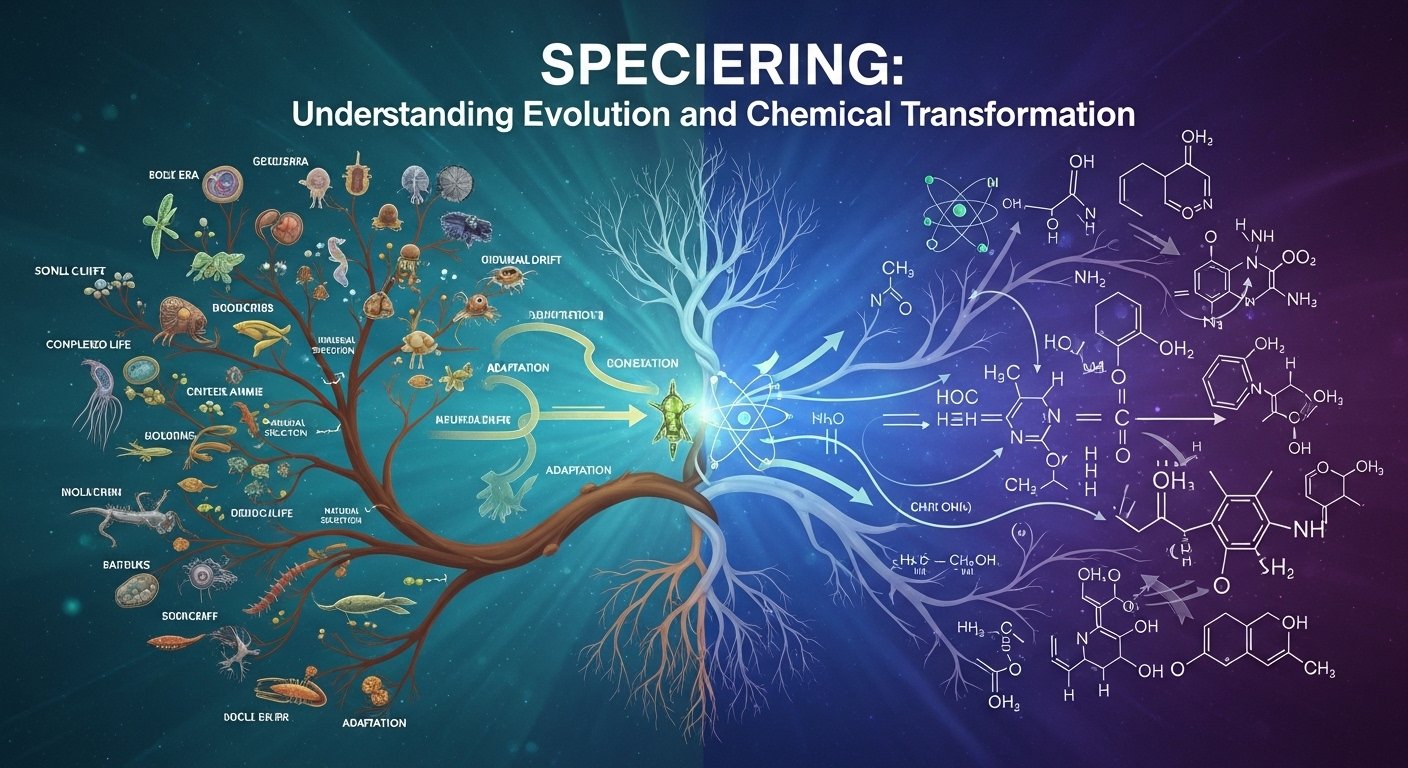
Speciering is a term that might sound unfamiliar, but it’s at the heart of our understanding of life and transformation. This intriguing process shapes not only the biological world but also the chemical interactions around us. As species evolve, they undergo changes that can lead to new forms and functions—a journey driven by nature’s relentless quest for adaptation.
But speciering doesn’t stop there; it has broader implications in technology and human advancement. Whether it’s how we use resources or develop new materials, understanding speciering unlocks pathways to innovation. Dive into this exploration of evolution and chemical transformation as we shed light on an essential concept that’s influencing everything from environmental science to industrial applications.
The Role of Evolution in Speciering
Evolution plays a crucial role in speciering, acting as the driving force behind biodiversity. As environments change, organisms adapt through natural selection. This process can lead to the emergence of new species over time.
In various ecosystems, species diverge based on different selective pressures. Geographic isolation often catalyzes this divergence. Populations that become separated may develop unique traits suited to their specific habitats.
Mutations also contribute significantly during speciering events. Random genetic changes can introduce novel characteristics within populations. If these mutations enhance survival or reproduction, they may be preserved and spread throughout generations.
The interplay between evolution and environmental factors creates a dynamic landscape for life forms to flourish in myriad ways. Observing how evolution shapes speciation gives insight into the intricate web of relationships among living beings on our planet.
Types of Chemical Transformations
Chemical transformations are diverse and fascinating. They can be categorized into several types based on the changes they induce in substances.
One common type is a synthesis reaction, where two or more reactants combine to form a single product. This process often fuels the creation of complex molecules from simpler ones.
On the other hand, decomposition reactions occur when a single compound breaks down into two or more products. These transformations are crucial in processes like digestion and recycling organic matter.
Then, we have displacement reactions. In these cases, one element replaces another within a compound, showcasing dynamic interactions between different chemical species.
Redox reactions involve electron transfer between reactants. These fundamental processes drive energy production in living organisms and various industrial applications. Each type of transformation plays an integral role in shaping our world through speciering.
Examples of Speciering in Nature
Speciering is a fascinating process observable across numerous ecosystems. One striking example involves Darwin’s finches in the Galápagos Islands. These birds have evolved distinct beak shapes adapted to specific food sources, showcasing natural selection at work.
Another captivating instance occurs with cichlid fish in African lakes. Here, hundreds of species have emerged from common ancestors due to varying habitats and mating preferences, illustrating how environmental factors can drive speciation.
In the plant kingdom, the rapid evolution of flowering plants after the dinosaur extinction demonstrates adaptive radiation. This event led to diverse forms that thrive in different climates and conditions.
Even within insects like butterflies, speciation manifests vividly through coloration patterns and host plant preferences. Each unique trait helps them survive and reproduce effectively in their respective niches, underscoring nature’s complexity and creativity.
Implications for Human Life and Technology
Speciering has profound implications for human life and technology. Understanding how species evolve through chemical transformations can inform conservation efforts. By grasping these processes, we can better protect ecosystems at risk.
In the realm of biotechnology, insights from speciering enhance genetic engineering practices. This knowledge aids in developing crops that are more resilient to pests and climate change.
Moreover, medical research benefits significantly from studying speciering. It helps scientists understand antibiotic resistance in bacteria, paving the way for innovative treatments against infectious diseases.
The tech industry also sees advantages through biomimicry inspired by evolutionary principles. Innovations drawn from nature’s adaptations lead to advanced materials and sustainable solutions.
As humans navigate complex challenges like climate change, embracing the lessons of speciering becomes crucial for fostering a balanced coexistence with our planet’s biodiversity. The future vividly reflects what we learn today about evolution and transformation in all its forms.
Controversies and Debates Surrounding Speciering
Speciering often stirs up intense debates within the scientific community. Some researchers challenge traditional views, arguing that speciation is not purely a gradual process. They advocate for punctuated equilibrium, suggesting that significant changes can happen rapidly due to environmental pressures.
Another area of contention revolves around the definition of a species itself. With advancements in genetic analysis, many biologists argue that genetic differences should dictate species classification rather than morphological traits alone. This leads to disputes over what constitutes speciation.
Moreover, the impact of human activities on natural selection raises ethical questions. The extinction of certain species may accelerate speciation among others, but at what cost?
These discussions are critical as they shape our understanding of biodiversity and conservation strategies moving forward. Engaging with these controversies allows scientists to refine their theories and push boundaries in evolutionary biology.
Conclusion: The Future of Speciering and Its Impact on Our World
The future of speciering holds immense potential for both understanding and enhancing our world. As science continues to unravel the complexities of evolution and chemical transformations, it opens doors to new insights about biodiversity. Researchers are increasingly recognizing that speciering is not just a biological concept but also a key factor in ecological health.
As we face environmental challenges, understanding how species adapt and evolve becomes crucial. This knowledge can guide conservation efforts, helping us protect endangered species and restore ecosystems at risk. Advances in technology may allow scientists to manipulate genetic material or influence evolutionary pathways—a double-edged sword with ethical implications that society must navigate carefully.
Moreover, as industries look toward sustainable practices, the principles derived from studying speciering could inform innovations in biotechnology and agriculture. By mimicking natural processes or harnessing specific traits found in nature, humans can develop more resilient crops or eco-friendly solutions.
However, the discourse surrounding speciering remains complex and sometimes contentious. Debates over genetic modification versus traditional breeding methods highlight differing perspectives on intervention in natural processes. The balance between progress and preservation will shape future conversations around this essential topic.
The journey into understanding speciering is ongoing; its impact stretches far beyond academic interest into practical applications that affect daily life worldwide. Scientists continue to explore this fascinating subject while societies grapple with its implications—setting the stage for an exciting era of discovery ahead.