
 By Admin@impulserepairs.com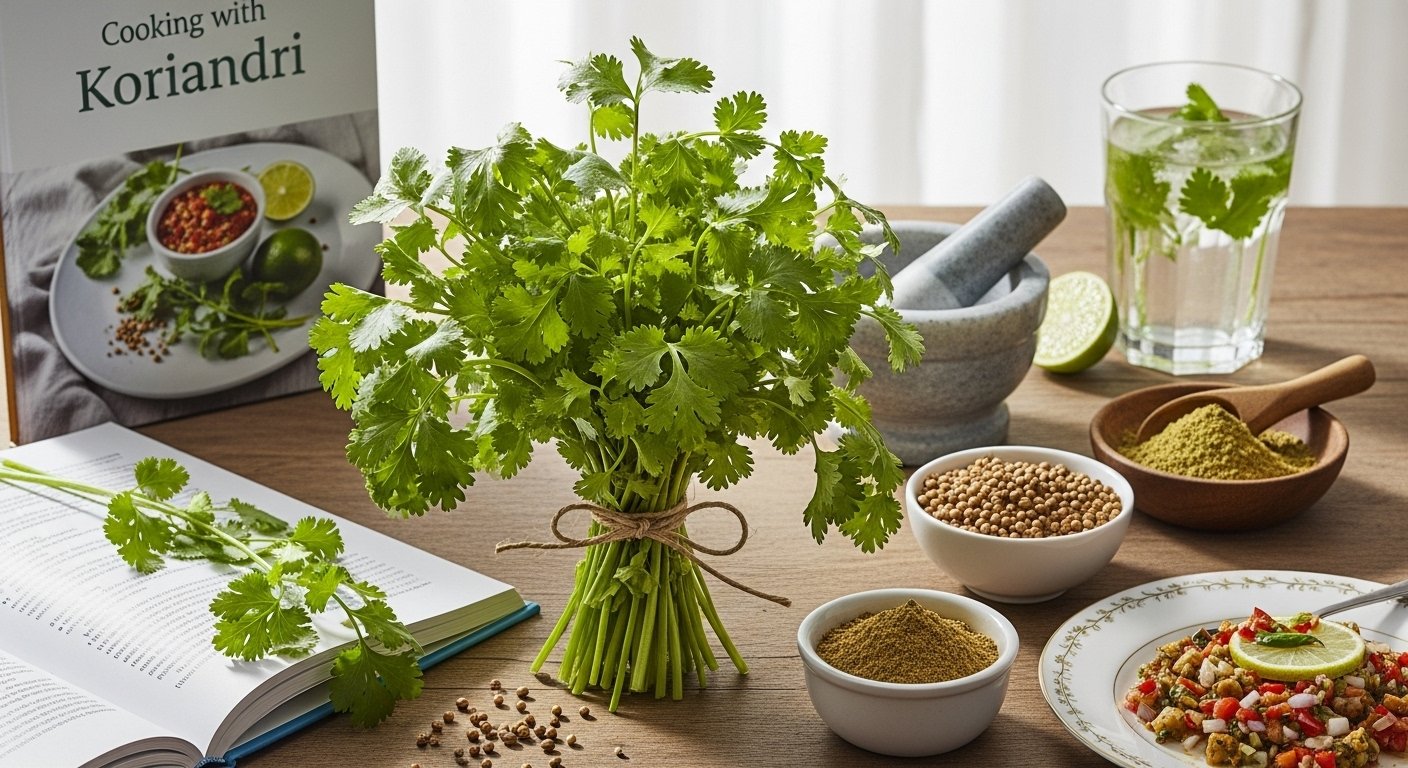
Koriandri, also known as coriander, is a herb that sparks curiosity and delight in kitchens around the world. With its distinctive aroma and flavor, it has become a staple in various cuisines, from Indian curries to Middle Eastern dishes. But Koriandri is more than just a culinary star; it boasts an impressive array of health benefits that have been celebrated for centuries. This versatile herb invites you on a journey through taste and wellness, making every meal not only delicious but also nourishing. Let’s delve deeper into the enchanting world of Koriandri!
History and Origin of Koriandri
Koriandri, commonly known as coriander, boasts a rich history that dates back thousands of years. It is believed to have originated in the Mediterranean region, with evidence found in ancient Egyptian tombs dating to around 5000 BC.
Its use spread rapidly throughout various cultures. The Greeks and Romans valued it not just for its culinary uses but also for its aromatic properties. They often added koriandri to their dishes and even used it in perfumes.
In traditional Chinese medicine, coriander has been utilized for centuries due to its purported health benefits. It was considered a symbol of purity and longevity.
Today, koriandri is cherished worldwide. Its journey from ancient kitchens to modern tables showcases the herb’s enduring appeal across cultures and generations.
Nutritional Benefits of Koriandri
Koriandri, also known as cilantro or coriander leaves, packs a punch when it comes to nutrition. This vibrant herb is low in calories yet rich in essential nutrients.
It contains vitamins A, C, and K, which play crucial roles in maintaining good health. Vitamin C boosts the immune system while vitamin A supports vision and skin health.
Moreover, koriandri is a source of dietary fiber. This helps with digestion and promotes gut health. The presence of antioxidants further aids in combating oxidative stress within the body.
On top of that, this versatile herb has been linked to reducing inflammation and lowering cholesterol levels. Its unique composition provides both flavor and an array of nutritional benefits that make it a valuable addition to any diet.
Culinary Uses of Koriandri
Koriandri, known for its bold flavor and aromatic qualities, is a favorite in various cuisines. Its fresh leaves are often used as a vibrant garnish, adding color and zest to dishes.
In Indian cooking, koriandri features prominently in chutneys and curries. The chopped leaves bring freshness that balances the spices beautifully.
Mexican cuisine also embraces this herb; it’s key in salsas and guacamole, enhancing both taste and aroma.
Even Southeast Asian dishes benefit from koriandri’s unique profile. It complements stir-fries and soups with an invigorating kick.
Dried coriander seeds have their own charm too. They’re ground into spice blends or used whole to infuse flavors during slow cooking.
Experimenting with koriandri can elevate everyday meals into something extraordinary while tantalizing your taste buds each step of the way.
Medicinal Properties and Health Benefits of Koriandri
Koriandri, also known as coriander or cilantro, is more than just a flavorful herb. It boasts an impressive array of medicinal properties that have been valued for centuries.
This versatile plant is rich in antioxidants. These compounds help combat oxidative stress and promote overall health.
Additionally, koriandri has anti-inflammatory effects. This makes it beneficial for those dealing with chronic inflammation or conditions like arthritis.
The seeds and leaves are known to aid digestion too. They may alleviate bloating and gas while promoting gut health.
Moreover, studies suggest that koriandri may contribute to lowering blood sugar levels. This can be particularly useful for individuals managing diabetes.
With its antibacterial qualities, koriandri can also support the immune system by fighting off harmful bacteria. Embracing this herb can add flavor to your meals while offering numerous health advantages.
Ways to Incorporate Koriandri into Your Diet
Koriandri, also known as coriander or cilantro, can easily enhance your meals. Fresh leaves add a vibrant touch to salads and salsas. Just chop them finely and sprinkle on top for an instant flavor boost.
In cooking, toss whole seeds into curries or spice blends for warmth and depth. Toasting the seeds first intensifies their aroma.
Smoothies are another great option. Blend fresh koriandri with fruits like mango or pineapple for a refreshing twist that’s both flavorful and nutritious.
For those who enjoy soups, adding chopped koriandri during the final minutes of cooking infuses the dish with freshness without losing its essence.
Don’t forget about dressings! Whisk together olive oil, lemon juice, garlic, and minced koriandri for a zesty salad dressing that’s sure to impress guests at any gathering.
Other Uses and Fun Facts about Koriandri
Koriandri, also known as cilantro or coriander, has more than just culinary fame. This herb can be found in beauty products for its natural antibacterial properties. Many skincare enthusiasts swear by koriandri-infused oils and creams for their soothing effects.
In addition to its health benefits, koriandri is a favorite among gardeners. It grows quickly and easily, making it an ideal choice for home gardening projects. Plus, the vibrant green leaves add a pop of color to any garden space.
Did you know that koriandri seeds are used as a spice? They provide warmth and depth to dishes ranging from curries to baked goods.
Culturally, koriandri holds significance in various cuisines around the world—from Mexican salsas to Indian chutneys—showcasing its adaptability across different flavors and traditions.
Conclusion
Koriandri is more than just a flavorful herb; it’s a versatile addition to your kitchen and wellness routine. Its rich history and unique flavor profile make it an essential ingredient in many cuisines around the world. Packed with nutritional benefits, koriandri not only adds zest to dishes but also contributes positively to health.
Whether you’re sprinkling fresh leaves on tacos or using its seeds in curries, incorporating koriandri into your meals is easy and rewarding. Beyond culinary uses, its medicinal properties can support various aspects of well-being.
Exploring other creative ways to use koriandri opens up even more possibilities—like homemade herbal teas or infused oils that bring delightful aromas and flavors into everyday life.
Embracing this herb allows you to enjoy both its taste and the myriad of health benefits it offers. So why not add some fresh koriandri to your next meal? You might just discover a new favorite!