 By Admin@impulserepairs.com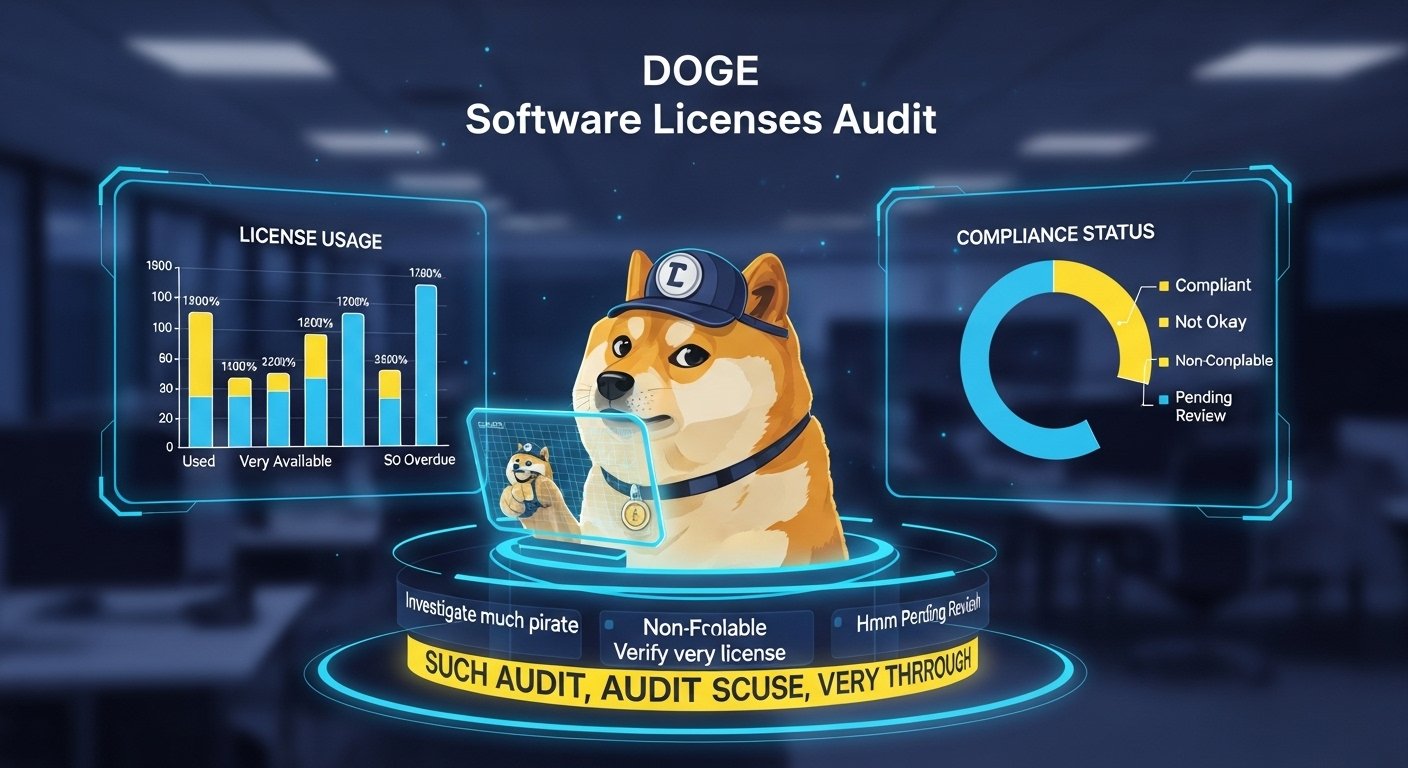
In the fast-paced world of software management, keeping track of licenses can feel like trying to catch smoke with your bare hands. Enter Doge Software Licenses Audit HUD—a game-changing tool designed to simplify the complex landscape of software licensing. With businesses relying more than ever on various applications and tools, understanding how these licenses are utilized is crucial for compliance and efficiency. Whether you’re a small business or part of a large enterprise, ensuring that you’re using software correctly not only saves money but also protects your organization from potential legal issues.
Imagine having a clear view of every license in use at any given moment—no more guessing games or unexpected audits. The Doge Software Licenses Audit HUD equips organizations with detailed insights into their software usage patterns, making it easier than ever to stay compliant while maximizing resource allocation. Ready to dive deeper? Let’s explore why auditing your software licenses is essential and how this innovative HUD can transform your approach to license management.
The Importance of Auditing Software Licenses
Auditing software licenses is crucial for any organization. It ensures compliance with legal requirements and protects against potential fines.
Many companies underestimate the risks associated with unmonitored software use. Inadvertent violations can lead to hefty penalties and damage a company’s reputation.
Regular audits help identify unused or underutilized licenses. This insight allows businesses to optimize their software investments, reducing costs in the long run.
Furthermore, maintaining accurate records of license usage fosters transparency within teams. It encourages responsible software management and promotes accountability among employees.
A proactive audit strategy can also prepare organizations for external scrutiny from vendors or regulatory bodies. Being prepared demonstrates professionalism and commitment to ethical practices in technology usage.
Benefits of Using the HUD (Hardware Usage Data) for License Audits
Utilizing the HUD for license audits brings a wealth of advantages. It provides real-time insights into software usage, allowing organizations to monitor compliance effectively. This helps in identifying underutilized licenses that can be reallocated or eliminated altogether.
Another significant benefit is enhanced accuracy in reporting. The data captured by the HUD minimizes human error and ensures that all usage statistics are up-to-date and reliable. This precision aids in making informed decisions regarding licensing needs.
Furthermore, the HUD streamlines the audit process itself. With easy access to comprehensive data, teams can prepare for audits more efficiently, reducing stress during review periods.
Leveraging Hardware Usage Data fosters a culture of accountability within an organization. Employees become more aware of their software use patterns, promoting responsible usage aligned with company policies.
How to Track Usage and Compliance with Doge’s HUD
Tracking usage and compliance with Doge’s HUD is straightforward but requires diligence. First, ensure that all installations of Doge software are registered within the system. This creates a centralized point for monitoring.
Next, leverage the dashboard to visualize data related to software usage. The user-friendly interface allows you to see who accesses what and when, offering insights into actual use versus licensed capacity.
Regularly review logs generated by the HUD. These logs provide an essential record of activities over time, enabling you to identify any discrepancies quickly.
Set up alerts for non-compliance or unauthorized access. Proactive notifications can help mitigate issues before they escalate into significant problems.
Integrate feedback from your team on their experiences using the HUD features. Continuous input fosters better tracking practices and ensures everyone remains accountable in maintaining compliance with Doge Software Licenses.
Common Issues Faced During License Audits
License audits can be daunting experiences for many organizations. One common issue arises from incomplete records. Without accurate documentation, demonstrating compliance becomes a significant challenge.
Another frequent hurdle is misunderstanding the terms of software licenses. Companies often misinterpret usage rights, leading to unintentional violations that could result in hefty penalties.
Inconsistencies in data reporting can also create problems during an audit. If different departments track software usage differently, it complicates the overall picture and may lead to disputes over compliance status.
Resistance from staff members who are unaware of licensing policies can hinder the auditing process. Educating employees about their responsibilities is crucial for a smoother experience when facing an audit.
Tips for Maintaining Compliance with Doge Software Licenses
Understanding the specifics of your Doge software licenses is crucial. Always read the fine print. Each license has its own stipulations, and knowing them helps prevent unintentional violations.
Regularly audit your software usage. Set a schedule to review how many copies you have in use versus what you’re licensed for. This proactive approach can save headaches later.
Train your team on compliance best practices. Ensure everyone understands their responsibilities regarding software usage. Empowering employees with knowledge reduces risks significantly.
Implement a tracking system using Doge’s HUD tool. This offers real-time data on who is using what, making it easier to stay compliant.
Keep an open line of communication with vendors or licensing authorities. If questions arise, don’t hesitate to reach out for clarification or guidance on complex issues related to licensing requirements.