
 By Admin@impulserepairs.com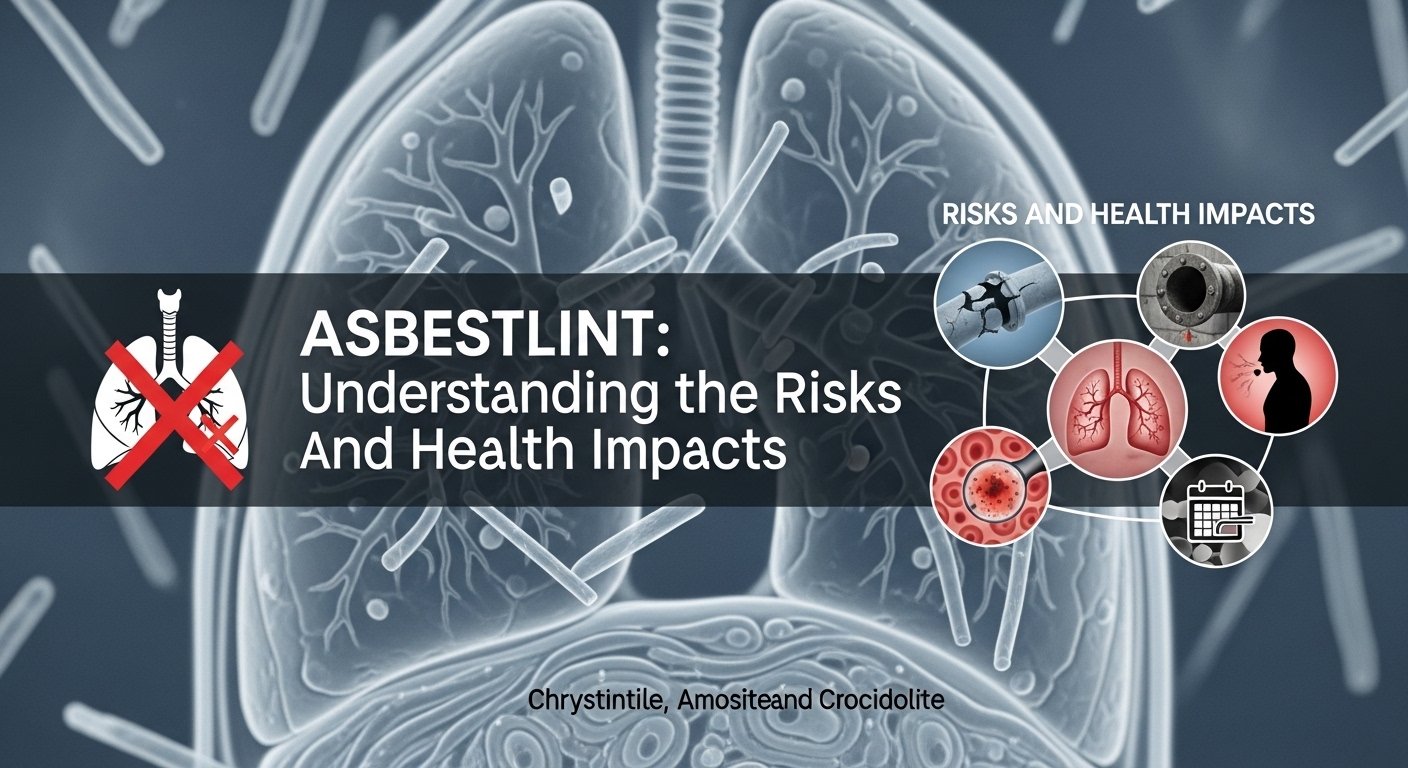
Asbestlint, a term that may not ring a bell for everyone, holds significant weight in conversations about safety and health. Often found lurking in older buildings and construction materials, this seemingly innocuous substance can pose serious threats to our well-being. Understanding what asbestlint is and recognizing its potential dangers is crucial for anyone living or working in environments where it might be present. Let’s dive into the history of asbestlint, uncover its risks, and explore how to protect ourselves from exposure. Your health could depend on it!
What is Asbestlint?
Asbestlint, commonly known as asbestos tape, is a type of insulation material made from asbestos fibers. This flexible tape was widely used in construction and industrial applications due to its heat resistance and durability.
Typically gray or white in color, asbestlint might be found wrapped around pipes, boilers, and ducts. Its purpose was to insulate against temperature fluctuations while also providing fireproofing capabilities.
Despite its advantages during the mid-20th century, the presence of asbestos raised alarm bells due to health risks associated with inhalation of tiny fibers. Asbestos is now recognized as a hazardous substance.
Many countries have implemented strict regulations regarding the use and removal of products containing asbestos. Awareness about asbestlint is essential for maintaining safe living and working environments.
The History of Asbestlint and Its Uses
Asbestlint, a type of asbestos tape, gained prominence in the mid-20th century. Its unique properties made it an attractive choice for various industries. Thanks to its resistance to heat and chemical damage, it was widely used in insulation and fireproofing.
Manufacturers sought out asbestlint for projects ranging from construction to automotive applications. Builders relied on its durability when sealing joints or insulating pipes. The versatility of this material seemed unmatched at the time.
However, the dark side of asbestlint began surfacing as health risks became evident. Workers exposed to asbestos fibers experienced serious respiratory issues years later. This awareness led to increased scrutiny and regulation surrounding its use.
Despite being banned or heavily restricted in many countries today, traces of asbestlint still linger in older buildings. Understanding its history is crucial for recognizing potential hazards lurking within our environments.
Health Risks Associated with Asbestlint Exposure
Asbestlint exposure poses serious health risks that can manifest years after initial contact. The material contains asbestos fibers, which are known to be highly toxic.
Inhalation of these fibers can lead to a range of respiratory issues. Conditions like asbestosis and lung cancer are directly linked to prolonged exposure. Even low levels of the substance can pose significant dangers over time.
Symptoms may not appear immediately, making regular monitoring essential for those who have been exposed. Chronic coughing, shortness of breath, and chest pain are common signs.
Moreover, the risk isn’t limited to workers in construction or renovation; families living near contaminated sites may also face threats. Education about asbestlint is key in recognizing potential hazards early on.
Protecting yourself starts with understanding these risks clearly and taking proactive measures whenever possible.
How to Identify Asbestlint in Your Home or Workplace
Identifying asbestlint in your home or workplace can be challenging. First, consider the age of the building. Structures built before the 1980s are more likely to contain asbestos materials.
Look for common indicators such as textured ceilings, older insulation, and floor tiles. Asbestlint often appears in places like pipe insulation or around heating systems.
Examine any damaged materials closely. If you see frayed edges or discoloration, it could indicate deteriorating asbestos products.
When in doubt, seek professional help. Certified inspectors have tools to safely test samples for asbestos content without risking exposure.
Do not attempt to remove suspected asbestlint on your own; this can release harmful fibers into the air. Always prioritize safety when dealing with potential asbestos hazards in your environment.
Ways to Protect Yourself from Asbestlint Exposure
To protect yourself from asbestlint exposure, awareness is key. Understanding where this hazardous material might be found in your environment is the first step.
If you suspect the presence of asbestlint, avoid disturbing it. Any disruption can release harmful fibers into the air. Always consult a professional if you need to assess potential risks.
Using proper safety gear when working in older buildings can significantly reduce your risk. Wear masks and use respiratory protection designed for airborne particles.
Keep your living space clean and well-ventilated. Regularly check for dust accumulation in corners and on surfaces that may harbor asbestos fibers.
Education also plays a vital role. Stay informed about regulations regarding asbestlint management and disposal in your area. Engaging with community resources can offer additional support and information on keeping safe from exposure risks.
Legal Actions Against Asbestlint Manufacturers
Legal actions against asbestlint manufacturers have gained momentum over the years. Many individuals have suffered health consequences due to exposure from products containing asbestos.
In numerous cases, victims seek justice through lawsuits. They aim to hold these companies accountable for negligence in safety practices and failing to warn consumers about the risks associated with their products.
Law firms specializing in asbestos litigation often assist clients by gathering evidence of exposure, medical records, and expert testimonies. This can lead to substantial settlements or verdicts that provide compensation for medical expenses and suffering.
Some manufacturers have filed for bankruptcy as a result of overwhelming claims against them. Trust funds are established in such cases, allowing victims some financial relief while navigating their recovery journey.
The legal landscape surrounding asbestlint continues to evolve. Advocacy groups also play a crucial role in raising awareness about workers’ rights and pushing for stricter regulations on hazardous materials.
Conclusion
As we navigate the complexities of our living and working environments, staying informed about materials like asbestlint is crucial. Understanding what asbestlint is and recognizing its historical uses can help us appreciate the importance of awareness around this potentially hazardous substance.
Health risks associated with exposure are significant and should not be taken lightly. By knowing how to identify asbestlint in your surroundings, you empower yourself to take action before problems arise. Protecting yourself from exposure involves both education and proactive measures.
Legal avenues exist for those affected by asbestlint, reminding us that accountability is key in industries that have historically used harmful materials.
Remaining vigilant and proactive can make a real difference in ensuring safety for ourselves and others. Knowledge truly is power when it comes to managing risks associated with asbestlint.