
 By Admin@impulserepairs.com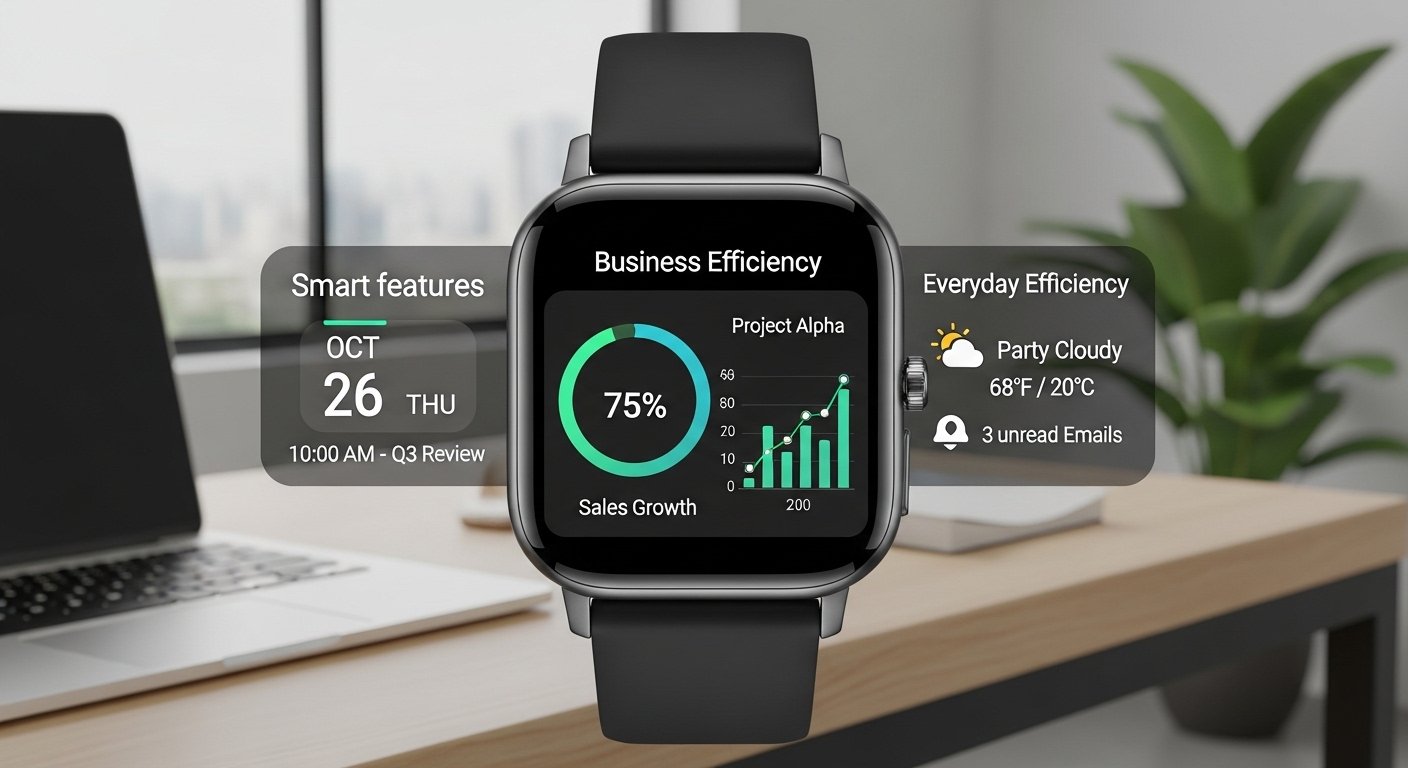
In today’s fast-paced world, efficiency is key. Enter BK 182—your gateway to a realm of smart features designed for both businesses and everyday life. These cutting-edge tools are not just tech trends; they’re revolutionizing the way we operate, making tasks simpler and faster. Whether you’re managing a team or juggling personal commitments, incorporating these innovations can elevate your productivity game to new heights. Let’s explore how embracing smart features can transform daily operations into seamless experiences that save time and resources.
Benefits of Smart Features for Businesses
Smart features can revolutionize how businesses operate. They streamline processes, making workflows smoother and more efficient.
With automation, routine tasks are handled with minimal human intervention. This not only saves time but also reduces errors that often occur during manual work.
Data analysis is another significant benefit. Smart tools can analyze vast amounts of information quickly, providing insights that help in decision-making. Businesses can adapt to market trends rapidly with this kind of intelligence at their fingertips.
Enhanced communication is crucial as well. Smart features facilitate better collaboration among teams, regardless of location. Real-time updates ensure everyone stays informed and aligned on objectives.
Cost savings are an additional advantage. By optimizing operations through smart technologies, companies reduce overhead while increasing productivity.
These benefits create a competitive edge in today’s fast-paced business environment.
Top 3 Smart Features for Business Efficiency
Businesses today are leveraging technology in innovative ways. Smart features can significantly enhance efficiency.
First up is automation tools. These streamline repetitive tasks, allowing employees to focus on more strategic work. Automated systems reduce human error and speed up processes.
Next, consider data analytics integration. This feature provides insights into operations and customer behavior. By analyzing this data, businesses can make informed decisions that boost productivity and drive growth.
Remote collaboration tools cannot be overlooked. With teams often working from various locations, these platforms ensure seamless communication and project management. They help maintain workflow continuity without the physical presence of every team member.
Embracing these smart features positions businesses for greater agility in a fast-paced environment.
How Smart Features Can Improve Everyday Life
Smart features have a way of transforming daily routines. From smart home devices to health tracking apps, they seamlessly integrate into our lives.
Imagine waking up to a gently lit room and your favorite music playing. Smart alarm clocks can do just that, enhancing your morning experience.
When it comes to meal prep, smart refrigerators can suggest recipes based on what you have inside. This not only saves time but also reduces food waste.
Smart assistants help manage schedules effortlessly. They remind us of important meetings or even order groceries with simple voice commands.
Moreover, fitness trackers encourage healthier habits by monitoring activity levels and sleep patterns. With personalized insights, making better lifestyle choices becomes easier than ever.
These innovations create convenience at every turn, allowing individuals more freedom to focus on what truly matters in their busy lives.
Cost-Effectiveness of Implementing Smart Features
Implementing smart features can significantly reduce operational costs for businesses. Automation streamlines tasks, leading to fewer errors and less time spent on repetitive activities.
Investing in technology like the BK 182 allows companies to optimize resource allocation. This means employees can focus on higher-value projects rather than mundane tasks.
Additionally, smart features often lead to energy savings. Smart systems monitor usage patterns and adjust settings accordingly, cutting down utility bills over time.
The initial investment may seem steep, but the long-term savings are hard to ignore. Many organizations find that return-on-investment (ROI) is realized quicker than expected due to increased efficiency.
For everyday users, these technologies enhance convenience while saving money on household expenses. The ability to control devices remotely or set schedules translates into lower monthly bills as well.
Future Applications and Advancements of Smart Features
The future of smart features is brimming with potential. Innovations like artificial intelligence and machine learning continue to evolve, reshaping how we interact with technology.
Imagine a world where smart devices can predict your needs before you even voice them. This predictive capability will streamline daily tasks and enhance business operations.
In the realm of automation, advancements in robotics are set to take efficiency up a notch. Businesses could use robots for everything from inventory management to customer service, freeing human employees for more complex roles.
Moreover, integration across platforms will lead to seamless experiences. Devices that communicate effortlessly can optimize workflows and improve decision-making processes.
Sustainability is also on the horizon. Smart technologies will enable smarter resource management, reducing waste while boosting productivity in both corporate environments and everyday life.
Conclusion
Smart features like those found in BK 182 are transforming how we approach both business and everyday tasks. By leveraging innovative technology, businesses can enhance efficiency, streamline operations, and foster better communication among teams. These advancements not only contribute to a more productive work environment but also allow for smarter decision-making.
In daily life, smart features simplify routine activities. From managing schedules to controlling home appliances with ease, they save time and energy that can be redirected towards more meaningful pursuits.
As companies consider the cost of implementing these technologies, the long-term benefits often outweigh initial expenses. Improved workflows lead to higher employee satisfaction and retention rates while enhancing customer experiences.
Looking ahead, the potential applications of smart features seem limitless. Continuous advancements will likely bring new solutions that address emerging challenges across various industries.
Embracing these innovations is essential for both businesses aiming for growth and individuals seeking efficiency in their lives. The integration of smart features opens doors to a future where productivity meets simplicity—a win-win scenario worth exploring further.