
 By Admin@impulserepairs.com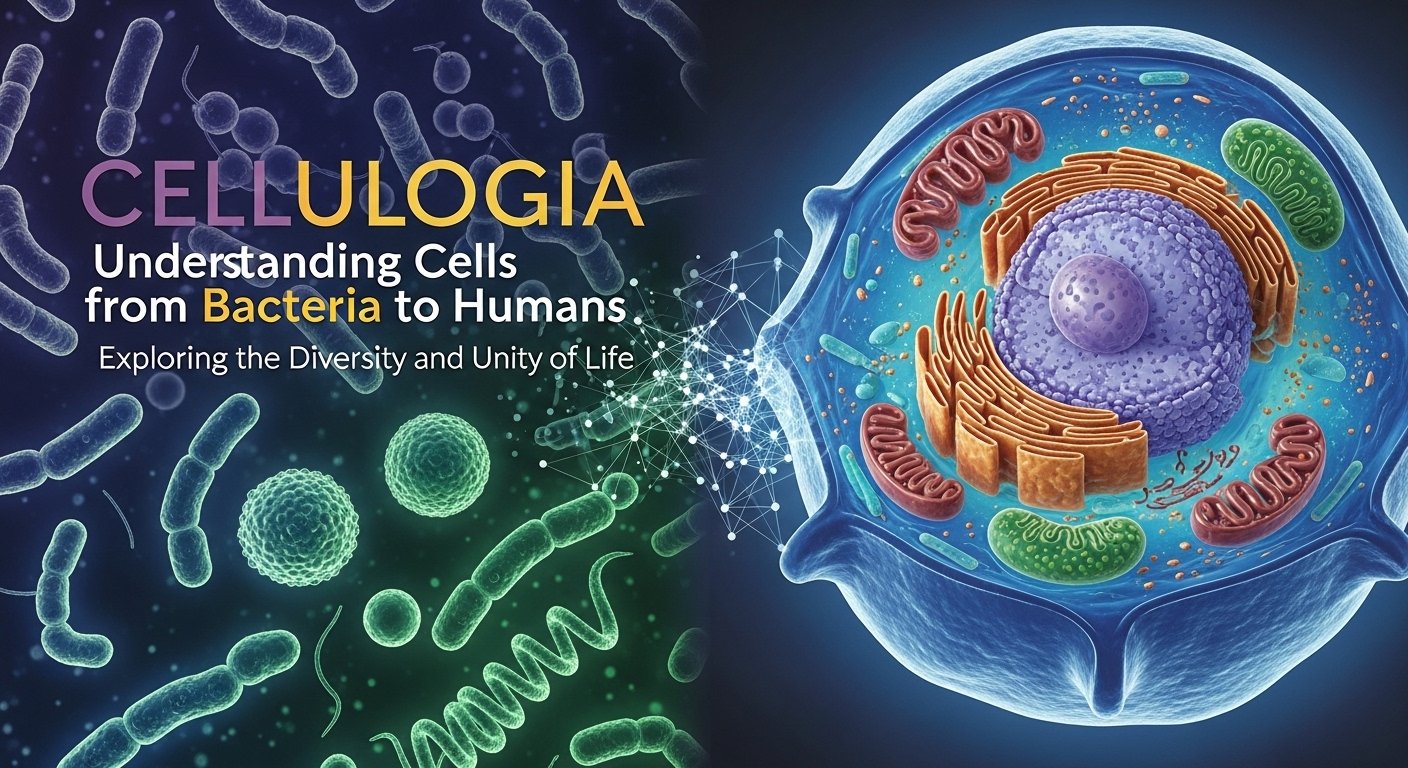
Welcome to the fascinating world of Cellulogia! Cells are the building blocks of all life forms, acting as miniature factories that perform countless functions. From the simplest bacteria to complex human structures, understanding cells is crucial for grasping how living organisms thrive. In this blog post, we’ll dive deep into cellular biology, explore diverse cell types, and unveil their essential roles in sustaining life. Whether you’re a student eager to learn or simply curious about the microscopic universe around us, there’s something here for everyone. Let’s embark on this enlightening journey through Cellulogia together!
The Basic Structure of Cells
Cells are the building blocks of life, each designed with a unique structure that supports its functions. At the core, you’ll find the nucleus, which acts as the control center. It houses DNA and is vital for genetic information.
Surrounding this central hub is the cytoplasm, a jelly-like substance where various organelles float. These tiny structures each have specific roles. For example, mitochondria produce energy while ribosomes synthesize proteins.
The cell membrane envelopes everything, maintaining integrity by controlling what enters and exits. This semi-permeable barrier ensures that essential nutrients get in while waste products are expelled.
Plant cells introduce additional components like cell walls for support and chloroplasts for photosynthesis—distinctive features not found in animal cells. Understanding these basic structures highlights how diverse yet interconnected all living organisms truly are.
Types of Cells: Bacteria, Plant, Animal, and Human Cells
Cells come in various forms, adapting to their environments and roles within different organisms. Bacteria are single-celled marvels. These prokaryotic cells thrive in diverse conditions, from the scorching heat of hot springs to the icy depths of polar regions.
Plant cells possess a unique structure featuring rigid cell walls and chloroplasts for photosynthesis. This allows them to convert sunlight into energy, fueling life on Earth.
Animal cells differ significantly; they lack cell walls and contain specialized organelles like lysosomes and centrosomes. This flexibility enables complex functions such as movement and communication among tissues.
Human cells showcase incredible diversity too, ranging from red blood cells that transport oxygen to neurons responsible for signal transmission throughout the body. Each type plays a vital role in maintaining our overall health and function, demonstrating how intricate cellular life truly is.
Differences and Similarities Between Different Types of Cells
Cells are remarkably diverse, yet they share fundamental characteristics. For instance, all cells possess a cell membrane that acts as a protective barrier. This feature is essential for maintaining homeostasis across various cell types.
Bacterial cells differ significantly from plant and animal cells. They lack a nucleus and organelles, making them prokaryotic. In contrast, both plant and animal cells are eukaryotic with distinct compartments for specialized functions.
Plant cells contain chloroplasts for photosynthesis, while animal cells have lysosomes that break down waste materials. The presence of a rigid cell wall in plants also sets them apart from their animal counterparts.
Despite these differences, all cell types perform vital roles within their ecosystems. Each contributes to the larger biological processes necessary for life’s continuity on Earth, showcasing nature’s intricate design through cellular diversity and similarity.
Functions of Cells in Living Organisms
Cells serve as the fundamental units of life, playing crucial roles in all living organisms. They are responsible for carrying out vital processes that sustain life.
One key function is metabolism. Cells convert nutrients into energy through chemical reactions. This energy fuels everything from muscle contractions to nerve impulses.
Another important role is communication. Cells send and receive signals, allowing them to coordinate activities with one another. This ensures that systems like the immune response work harmoniously.
Cells also engage in reproduction, either by dividing themselves or forming gametes for sexual reproduction. This process fosters genetic diversity within populations.
Additionally, cells perform specialized functions based on their type—like oxygen transport in red blood cells or nutrient storage in plant cells.
Without these essential functions, complex organisms could not exist nor thrive in diverse environments across our planet.
The Importance of Studying Cells in Biology and Medicine
Studying cells opens a window into the fundamental units of life. Each cell carries intricate information about biology and disease.
Understanding cellular functions helps scientists unravel complex processes like metabolism, growth, and reproduction. These insights are essential for developing new therapies in medicine.
Cellulogia informs how treatments target specific cells, enhancing effectiveness while minimizing side effects. For instance, cancer research relies heavily on understanding how malignant cells differ from healthy ones.
Moreover, studying stem cells offers profound implications for regenerative medicine. These versatile cells hold the potential to restore damaged tissues or organs.
Research on microorganisms can also lead to breakthroughs in antibiotic resistance and vaccine development. By grasping cellular mechanics, we pave the way for innovative health solutions that can transform lives worldwide.
Conclusion
Cellulogia opens the door to a fascinating world of life at its most fundamental level. By understanding cells, we gain insights into how different organisms function, interact, and evolve. The basic structure of cells reveals their complexity and versatility—traits that are vital for survival across various environments.
Exploring the types of cells—from bacteria to human—shows us both distinctions and commonalities in biological makeup. Bacterial cells may be simpler but have adapted remarkably well to numerous ecosystems. In contrast, plant and animal cells exhibit unique features tailored for their specific roles in nature.
The functions of these diverse cell types highlight their importance as building blocks for all living organisms. Each type plays a critical role in processes like metabolism, growth, reproduction, and response to stimuli.
Studying cellulogia is not just an academic exercise; it has profound implications on biology and medicine. Understanding cellular structures can lead to breakthroughs in medical treatments and innovations in biotechnology.
Embracing the wonders of cellulogia provides valuable perspectives on life itself while paving pathways for future discoveries that could enhance our health and environment.