
 By Admin@impulserepairs.com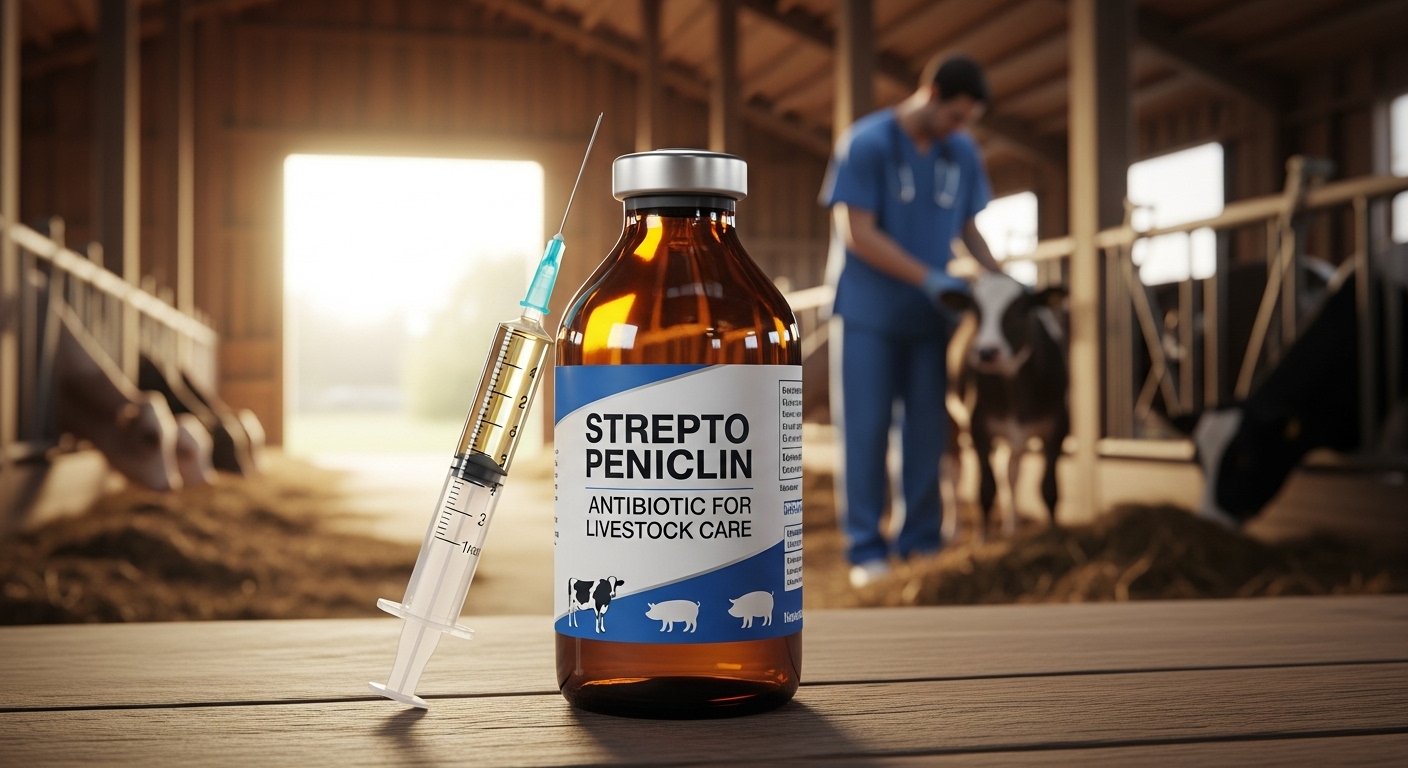
Strepto Penicillin has long been a cornerstone in veterinary medicine, especially when it comes to livestock care. This trusted antibiotic boasts a rich history and an impressive track record of treating various infections in animals. Developed during the golden age of antibiotics, Strepto Penicillin emerged as a go-to solution for farmers and veterinarians alike. But what makes this medication so effective? And how can it benefit your livestock? Let’s dive deeper into the world of Strepto Penicillin and discover why it remains an essential tool for animal health today.
How does Strepto Penicillin work?
Strepto Penicillin is an antibiotic that belongs to the penicillin family. It works by targeting and disrupting bacterial cell walls, which are essential for their survival.
When bacteria attempt to multiply and grow, Strepto Penicillin interferes with this process. It inhibits the synthesis of peptidoglycan, a crucial component of bacterial cell walls. As a result, the bacteria become structurally weak and eventually die off.
This mechanism makes Strepto Penicillin particularly effective against certain types of gram-positive bacteria commonly found in livestock diseases. By attacking these harmful microorganisms directly, it helps restore health more quickly than many alternative treatments.
Farmers appreciate its efficacy because it can be administered easily through various forms such as injections or oral solutions. This versatility ensures that livestock receive necessary care promptly when infections arise.
Types of infections treated by Strepto Penicillin in livestock
Strepto Penicillin is effective against various bacterial infections in livestock. It primarily targets Gram-positive bacteria, which are common culprits in infections.
One significant type of infection treated by this antibiotic is pneumonia. Livestock such as cattle and swine can suffer from respiratory illnesses that require prompt treatment to avoid serious complications.
Another area where Strepto Penicillin shines is in skin infections. Abscesses or wounds can become infected, leading to discomfort and further health issues if left unmanaged.
It also addresses reproductive tract infections, including metritis in cows. These conditions can hinder fertility and overall herd health.
Strepto Penicillin plays a role in combating mastitis—an inflammation of the udder that affects dairy animals’ milk production. By treating these ailments effectively, farmers can maintain healthier herds with optimal productivity.
Proper dosage and administration of Strepto Penicillin
Administering Strepto Penicillin correctly is crucial for effective treatment in livestock. Dosage varies based on the type of animal and specific health condition being treated.
Typically, it’s essential to follow veterinary guidelines for dosage. For cattle, the recommended dose often ranges from 10 to 15 mg per kg of body weight, administered every 24 hours. Smaller animals may require different concentrations.
The method of administration can also differ. Strepto Penicillin is usually given through injection either intramuscularly or subcutaneously. Ensure that equipment used is sterile to prevent any infection at the injection site.
Monitoring your livestock after administering medication is vital. Watch for any adverse reactions or changes in behavior, which might indicate issues with dosage or effectiveness.
Always keep records of treatments provided, including dosages and dates used for future reference and adjustments if necessary.
Benefits of using Strepto Penicillin for livestock care
Strepto Penicillin offers numerous benefits for livestock care, making it a staple in veterinary medicine. Its broad-spectrum activity effectively combats various bacterial infections that can threaten the health of animals.
One significant advantage is its rapid action. Livestock often show improvement within days of treatment, which can lead to quicker recovery and reduced mortality rates. This efficiency translates to less downtime for farmers and healthier herds overall.
Another benefit lies in its cost-effectiveness. Strepto Penicillin provides an affordable solution for treating common ailments, enabling farmers to maintain productivity without breaking the bank.
Additionally, this antibiotic contributes to better animal welfare. By addressing infections promptly, it minimizes suffering and improves quality of life for livestock. Healthy animals are not only happier but also more productive in terms of milk production or weight gain.
Using Strepto Penicillin supports sustainable farming practices by ensuring that livestock remain healthy and resilient against diseases.
Possible side effects and precautions when using Strepto Penicillin
Like any antibiotic, Strepto Penicillin can have side effects. While many animals tolerate it well, some may experience allergic reactions. Symptoms could include swelling, difficulty breathing, or hives.
Gastrointestinal issues are also possible. Livestock might show signs of diarrhea or nausea after administration. Monitoring their condition during treatment is essential.
Precautions should be taken to ensure safe use. Always adhere to recommended dosages based on the animal’s weight and species. Overdosing can lead to toxicity and worsen health problems.
It’s crucial to consult a veterinarian before starting treatment with Strepto Penicillin. They can provide guidance tailored to your livestock’s specific needs and medical history.
Regular check-ups during the course of treatment help catch any adverse reactions early on. This proactive approach ensures that your livestock remains healthy throughout their recovery process.
Alternatives to Strepto Penicillin for livestock care
When considering alternatives to Strepto Penicillin for livestock care, several options come into play. Tetracyclines are widely used antibiotics that can effectively treat various infections in animals. They work by inhibiting bacterial protein synthesis, making them a popular choice among farmers.
Another alternative is sulfonamides, which target specific metabolic pathways in bacteria. These antibiotics are beneficial for treating respiratory and gastrointestinal infections.
For non-antibiotic options, probiotics can support gut health and enhance the immune system of livestock. Incorporating these beneficial microorganisms can help prevent disease naturally.
Plant-based remedies have gained traction too. Essential oils and herbal extracts provide antimicrobial properties without contributing to antibiotic resistance.
Each alternative has its unique applications and benefits; however, careful consideration of the situation at hand is essential when selecting an appropriate treatment approach for your livestock’s health needs.
Conclusion
Strepto Penicillin stands out as a reliable option in the realm of livestock care. Its long history underscores its effectiveness in treating various bacterial infections. For farmers and livestock owners, understanding how this antibiotic works is crucial for ensuring animal health.
Administering the correct dosage of Strepto Penicillin can significantly impact recovery times and overall wellbeing. Farmers who are informed about proper administration techniques maximize the benefits while minimizing potential side effects. Awareness of possible reactions ensures that treatment remains safe and effective.
While alternatives do exist, they may not always match the reliability that Strepto Penicillin provides. Exploring these options can be beneficial but should be approached with caution and thorough research.
The importance of maintaining healthy livestock cannot be overstated. With tools like Strepto Penicillin at their disposal, farmers have a trusted ally to help them manage their herds effectively. By prioritizing animal health through responsible use of antibiotics, we contribute to sustainable farming practices for generations to come.