
 By Admin@impulserepairs.com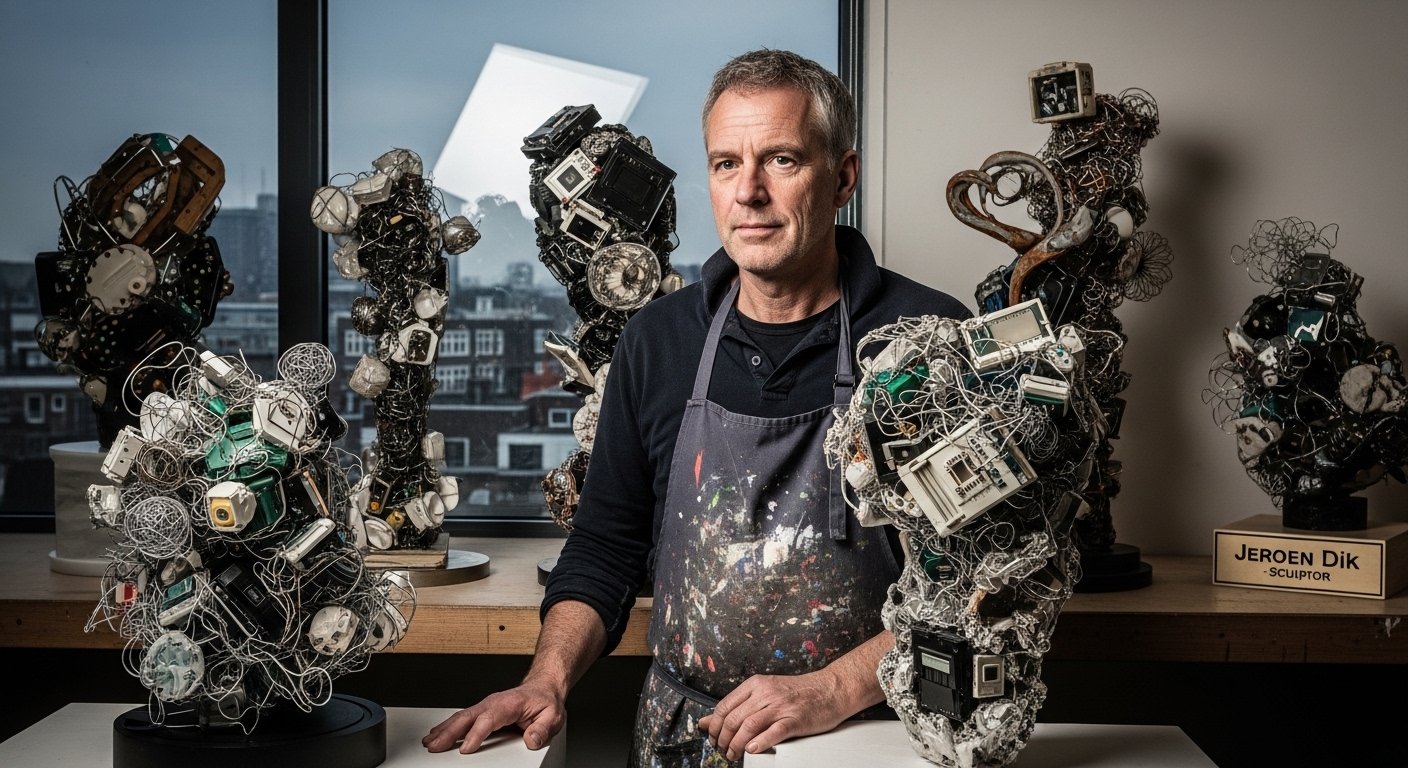
Jeroen Dik is not just another name in the art world; he stands out as a true visionary. His work transcends traditional boundaries, inviting viewers to experience art in an entirely new dimension. With a unique blend of sculpting and painting, Dik has carved a niche for himself that captivates audiences worldwide.
As you journey through his creations, you’ll discover how he masterfully manipulates materials and concepts to evoke emotions and provoke thought. This blog post will delve into the fascinating evolution of three-dimensional art, explore Jeroen Dik’s distinctive techniques, and highlight some of his most notable works. Get ready to immerse yourself in the innovative realm crafted by this remarkable artist!
The Evolution of Three-Dimensional Art
Three-dimensional art has a rich history that stretches back to ancient civilizations. From the intricate carvings of Mesopotamia to the grand sculptures of classical Greece, artists have sought to express depth and dimension.
The Renaissance marked a significant turning point. Artists like Michelangelo pushed boundaries with their lifelike figures, introducing realism in three dimensions. This era laid the groundwork for modern techniques.
In the 20th century, movements such as Cubism transformed perceptions of form and space. Artists began experimenting with materials, breaking traditional molds.
Today’s three-dimensional art incorporates technology, combining digital tools with physical elements. Virtual reality and augmented reality are blurring lines between what is real and imagined.
This evolution reflects society’s changing values and technological advancements, showcasing a dynamic interplay between artistry and innovation through time.
Dik’s Unique Approach to Sculpting and Painting
Jeroen Dik’s artistic process is anything but conventional. He seamlessly blends painting and sculpture, creating a dialogue between the two mediums. Each piece tells a story that transcends traditional boundaries.
His use of materials adds depth to his work. From clay to metal, he experiments with textures and forms, challenging viewers’ perceptions. This tactile quality invites interaction and engagement.
Dik’s vision encourages spontaneity in creation. Often inspired by nature and emotions, he allows instinct to guide him through the sculpting process. The result is an organic flow that captures raw energy.
Color plays a pivotal role as well; vibrant hues breathe life into his sculptures. They spark curiosity while enhancing their three-dimensional form. Every brush stroke serves a purpose—transformative yet intentional.
Through this unique approach, Jeroen Dik redefines what it means to be an artist in today’s evolving landscape.
Exploring Dik’s Most Notable Works
Jeroen Dik’s body of work is a captivating blend of innovation and emotion. His sculptures often challenge conventional perceptions, inviting viewers to step around and engage with the piece from multiple angles.
One standout creation is “The Dance of Shadows,” which plays with light and form, creating an immersive experience that feels alive. This piece captures movement in stillness, drawing audiences into its rhythm.
Another remarkable work, “Elysium,” showcases Dik’s ability to harmonize different materials. The combination of metal and organic textures speaks to nature’s resilience while highlighting human intervention.
Dik also experiments with color through his paintings. Pieces like “Vortex” pull you in with swirling hues that evoke motion and depth.
Each artwork tells a story—an invitation for personal interpretation that resonates deeply within various contexts. Through these notable works, Jeroen Dik continues to redefine what three-dimensional art can be.
Impact of Technology on Three-Dimensional Art
Technology has revolutionized the world of three-dimensional art. Artists now have tools at their fingertips that were once unimaginable. Software for 3D modeling allows creators to visualize concepts before they even touch a physical medium.
The advent of 3D printing has also transformed how sculptures are made. This technology enables artists like Jeroen Dik to produce intricate designs with remarkable precision. They can experiment with materials and scale in ways traditional methods could never allow.
Virtual reality (VR) adds another layer, immersing viewers in the artist’s vision. Patrons can walk through an artistic environment created entirely from digital space—an experience unlike any other.
Augmented reality (AR) bridges the gap between real-world objects and digital enhancements, offering new dimensions to gallery experiences. These advancements challenge conventional perceptions while opening doors for innovative creativity in three-dimensional art forms.
Dik’s Influence on the Art World Today
Jeroen Dik has carved a niche in the contemporary art scene, inspiring both established artists and newcomers. His innovative techniques have pushed boundaries, encouraging others to explore new dimensions in their work.
Dik’s bold use of materials invites dialogue about what constitutes sculpture and painting. This fusion encourages artists to rethink traditional definitions and embrace versatility.
His workshops and lectures often attract diverse audiences eager to learn about his process. Through these interactions, he shares not just skills but also a philosophy that emphasizes exploration over perfection.
Many emerging talents cite Dik as a key influence in their artistic journeys. They are drawn to his fearless experimentation, which resonates deeply with the current generation seeking authenticity.
Moreover, galleries worldwide showcase his pieces, further solidifying his role in shaping contemporary discourse around three-dimensional art. His impact is felt far beyond individual works; it ripples through the entire art community today.
Conclusion
Jeroen Dik has firmly established himself as a pioneering force in the realm of three-dimensional art. His innovative techniques and fresh perspectives have not only redefined traditional sculpting but also enriched the broader conversation about what art can be. Through his unique blend of materials, colors, and forms, Dik invites viewers into a dialogue that transcends mere observation.
His influence resonates throughout galleries and studios across the globe, inspiring both emerging artists and seasoned professionals to explore new dimensions in their work. The impact of technology on his artistry further emphasizes how contemporary tools can elevate creative expression without compromising artistic integrity.
As we look at Jeroen Dik’s body of work, it’s evident that he is more than just an artist; he is a visionary who continues to challenge conventions. His contributions will undoubtedly shape the future landscape of three-dimensional art for generations to come. As audiences engage with his pieces, they experience not just visual delight but also a deeper connection to the evolving narrative of modern artistry.